Transform Training Ground Data into Winning Match Strategies
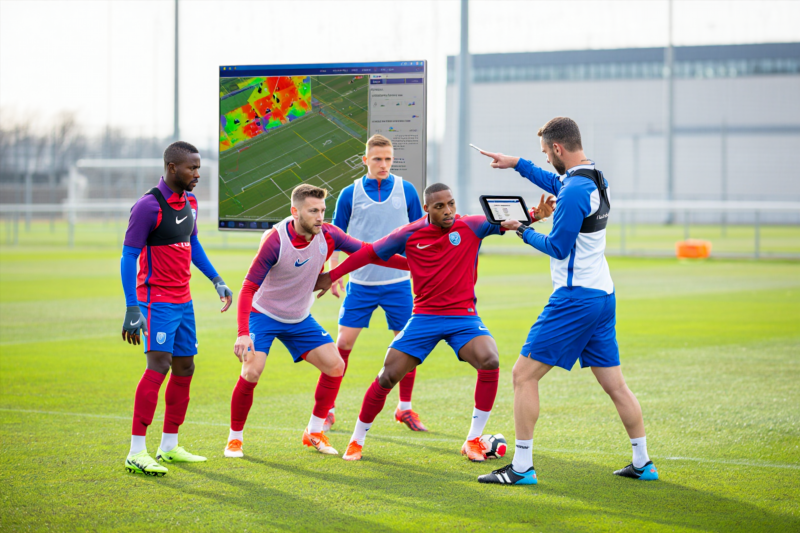
In the fast-evolving world of elite football, staying ahead of the competition requires more than traditional coaching methods. Ascendancy Football Lab stands at the forefront of this revolution, leveraging advanced tracking data to transform training sessions into powerful tools for match-day success. By harnessing detailed player movement and positioning insights, coaches can optimize drills, identify performance patterns, and develop smarter strategies that translate into tangible results on the pitch.
This article explores how coaches and analysts can turn tracking data collected during training into actionable insights for smarter drills and enhanced match strategies, ultimately elevating team performance.
Why Tracking Data Is a Game-Changer in Football Training
The Evolution From Intuition to Data-Driven Decisions
Historically, training and tactical adjustments relied heavily on visual assessments and experience. Today, data analytics—specifically tracking data—empowers coaches with precise, objective insights. These insights elucidate:
- Player positioning and movement patterns
- Space utilization and team shape
- Transition moments and decision-making cues
Benefits of Using Tracking Data in Training Sessions
| Benefits | Explanation |
| Enhanced Tactical Awareness | Identifies how drills improve positional discipline and space awareness. |
| Personalized Player Development | Recognizes individual movement tendencies for tailored coaching. |
| Predictive Performance Modeling | Anticipates potential weaknesses and adjusts training accordingly. |
| Real-Time Feedback | Provides immediate insights during training for instant correction. |
Turning Tracking Data into Smarter Drills
Key Steps to Optimize Training Using Data
- Data Collection and Analysis
Integrate high-resolution tracking systems (like optical or radio-based tools) to gather detailed positional data during drills.
- Identifying Strengths and Gaps
Use analytics to pinpoint areas where players excel or need improvement, such as defensive positioning or transition speed.
- Designing Targeted Drills
Create exercises that focus on specific insights from data, such as:
- Small-sided games focusing on space exploitation
- Transition drills emphasizing quick positional recovery
- Shooting and heading practices aligned with movement patterns
- Monitoring Progress and Adjusting
Track performance improvements over time and modify drills to address persistent issues or to build on strengths.
Example Drills Powered by Tracking Data
- Spatial Awareness Drills: Use positional heatmaps to develop better awareness of space during attack and defense.
- Transition Speed Exercises: Mimic match scenarios with rapid shifts from offense to defense based on real movement data.
- Set-Piece Optimization: Analyze heading and jumping data to improve effectiveness in corners and free-kicks.
From Practice to Game: Developing Smarter Match Strategies
Analyzing Match Data for Long-Term Success
Tracking data not only improves training but also informs strategic decisions in actual matches. Here’s how:
- Opponent Analysis: Identify tendencies in opposition positioning and attack patterns.
- Team Shape Optimization: Fine-tune formations based on in-game spatial usage.
- Player Workloads and Fatigue: Manage fitness levels by monitoring physical exertion and positioning during the game.
Building Data-Driven Game Plans
Leverage the accumulated insights to craft tactical plans that exploit identified weaknesses and reinforce strengths, such as:
- Pressing triggers based on opponent’s positional tendencies
- Tailored defensive setups to neutralize key threats
- Offensive patterns aligned with space creation analytics
Frequently Asked Questions (FAQs)
How does tracking data improve training efficiency?
Tracking data provides objective insights into player movements and positioning, allowing coaches to focus drills on specific tactical or technical areas. This targeted approach accelerates skill development and tactical understanding.
What types of tracking systems are most effective?
High-quality optical systems (like Hawk-Eye) and radio-frequency systems (like Tracab) are widely used in professional football because of their accuracy, reliability, and ability to deliver real-time data suitable for immediate coaching interventions.
Can tracking data predict match outcomes?
While no single data point guarantees a win, advanced predictive analytics model patterns and probabilities, helping teams make smarter decisions from training ground to match day.
Transforming training ground data into actionable match strategies is no longer a futuristic concept—it’s an essential component of modern elite football. By integrating tracking data into drills and tactical planning, teams can enhance match readiness, make smarter decisions, and ultimately achieve better performance outcomes on game day.
Ready to revolutionize your team’s training and match strategies? Contact Ascendancy Football Lab today to discover how data-driven insights can elevate your game.
*Unlock the potential of your training grounds—turn data into decisions, and decisions into victories.*