Shot Quality Under Pressure Boosted by Defender Proximity
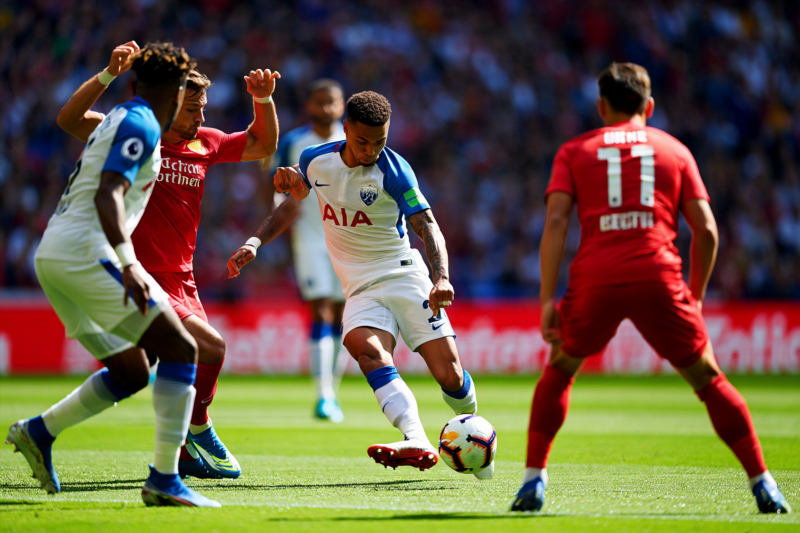
Understanding the Impact of Defender Distance and Body Shape on Shot Quality
In the fast-paced game of football, scoring under pressure is one of the most critical aspects of success. Whether in tight matches or decisive moments, a striker’s ability to maintain shot accuracy amidst defensive pressure can determine the outcome. Ascendancy Football Lab leverages advanced analytics to help teams decode this complex dynamic. Our focus: *modeling shot quality under pressure* by analyzing defender proximity and body shape—key factors that influence shot accuracy and decision-making.
The Significance of Defender Proximity in Shot Success
Why defender distance matters
Proximity plays a pivotal role in a player’s shot quality. When defenders are close:
- Increased mental pressure can cause hesitation or rushed shots.
- Limited shooting options force the shooter to compromise on precision.
- Reduced space increases the likelihood of defensive blocks or blocks deflections, impacting shot accuracy.
Conversely, greater defender distance typically offers:
- More time and space to select a precise shot.
- Lower pressure, enabling composure and better technique.
- Higher chances of accurate finishing.
Quantitative modeling of defender proximity
Using match data, Ascendancy Football Lab models the *defender-to-shooter distance* at the moment of shot creation. Using sophisticated spatial analytics, we generate probabilities of shot success relative to proximate defenders. Our models reveal:
| Defender Distance Range | Effect on Shot Accuracy | Recommended Defensive Measures |
| Less than 1 meter | Significant decrease in shot success | Tight marking, pressing strategies |
| 1–2 meters | Moderate impact | Zone defences, closing space tactics |
| Greater than 2 meters | Minimal negative impact | Allowing space, encouraging long-range shots |
Practical insights
Teams can use these analytics to train defensive units on optimal spacing—balancing pressure without overcommitting—thus reducing shot quality under pressure and creating scoring opportunities.
The Role of Defender Body Shape and Positioning
Body orientation and its influence on shot quality
Beyond proximity, the defender’s body shape—particularly their orientation relative to the shooter—significantly influences shot success:
- Facing the shooter: The defender is in a position to block or intercept the shot more effectively.
- Side-on or back-facing: Less effective defensive stance, possibly allowing the shooter to take clean shots.
Ascendancy Football Lab’s models incorporate body shape analysis, tracking:
- Arm and leg positioning
- Torso orientation
- Balance and stance stability
Technical implications
A defender with an optimal body shape can:
- Reduce shooting angles, increasing shot difficulty.
- Maintain better control and positioning for timely interventions.
- Force the attacker into less accurate shots under duress.
Tactical application
By analyzing these factors, teams can train defenders on optimal positioning—encouraging body orientation that maximizes pressure while minimizing the attacker’s shot quality.
Integrating Models into Defensive Strategy
Combining proximity and body shape insights
Our data-driven approach involves:
- Mapping defender positions during attacking phases.
- Assessing body orientation via player tracking data.
- Predicting shot quality by combining proximity and body shape variables.
This comprehensive model enables coaches to:
- Anticipate dangerous shots under pressure.
- Design defensive formations that minimize high-quality chances.
- Implement targeted training for defenders on positioning and physical awareness.
Key Takeaways for Improving Defensive and Scoring Strategies
- Maintain optimal defender distance—pressure should be applied without overcommitting.
- Train defenders on body positioning—facing attackers and closing shooting angles.
- Analyze match data continuously—to adapt tactics based on opponent tendencies.
- Utilize predictive analytics—to identify when and how shot quality declines under pressure.
Frequently Asked Questions
How can these models improve team performance?
By understanding the nuanced effects of defender proximity and body shape, teams can refine defensive tactics, reduce high-quality shots conceded, and capitalize on attacking opportunities with better shot selection even under pressure.
Can this analysis be applied in real-time during matches?
Yes. Our platform integrates live tracking data to provide real-time insights, enabling about-the-moment tactical adjustments based on model predictions.
Does this approach account for individual player skill differences?
Absolutely. Models incorporate player-specific tendencies—such as shooting accuracy and defensive positioning aptitude—to deliver personalized insights and coaching strategies.
Transforming match data into structured models of decision patterns and probabilities empowers coaches and players alike. By focusing on shot quality under pressure, especially through analyzing defender proximity and body shape, teams can significantly boost scoring chances and tighten defensive resilience. Elevate your football analytics with Ascendancy Football Lab—where data meets decisive action.
Ready to revolutionize your team’s defensive and offensive strategy? Contact us today to explore our advanced analytics platform and unlock your team’s full potential.