How to Transform 90 Minutes into Effective Control Strategies
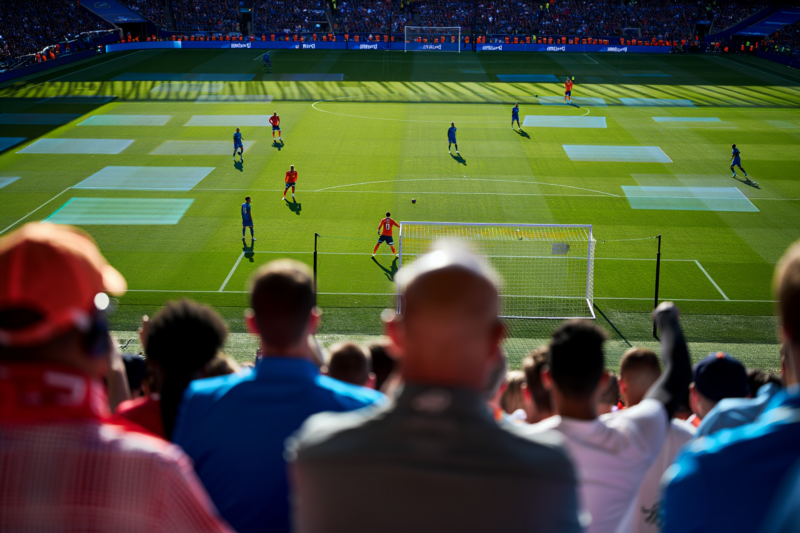
In the fast-paced world of football, understanding how to convert raw game chaos into structured, strategic control is essential for coaching staff, analysts, and players alike. Ascendancy Football Lab specializes in turning complex match data into actionable insights—helping teams transition from chaotic possession to effective territory dominance. This article explores how to harness data-driven models to optimize game flow, improve team control, and ultimately elevate performance across key European leagues, the Premier League, Champions League, and international competitions.
From Chaos to Structure: The Importance of Control in Football
In modern football, possession alone isn’t enough; it’s about *how* possession is utilized to create control over the field. Chaos—fluctuations, mispasses, disorganized attacks—leads to vulnerabilities. Transforming possession into tactical territory control ensures:
- Enhanced game flow: Smooth transitions and sustained pressure.
- Defensive solidity: Better field coverage.
- Offensive opportunities: Created through structured build-up.
- Data-backed decision making: Precise adjustments based on match insights.
The Key Components of Effective Possession and Territory Models
1. Match Analysis and Data Collection
Transforming 90 minutes of football into actionable strategies begins with comprehensive data collection:
- Player movement and positioning
- Pass networks and spatial control
- Transition patterns
- Opportunities created and conceded
This data allows teams to identify patterns, strengths, and vulnerabilities.
2. Segmenting the Game into Phases
Break down the match into logical phases:
- Build-up phase: Moving from goal kicks and baseline clearance into midfield.
- Transition phase: Shifting from defense to attack.
- Balanced possession: Maintaining control in attacking areas.
- Defensive phases: Reorganizing after losing possession.
3. Developing Territory Models
Use advanced analytics to design territorial control models based on:
| Parameter | Description |
| Field Zones | Dividing the pitch into strategic zones for analysis (e.g., defensive third, midfield, attacking third). |
| Possession Duration | Measuring how long teams hold and control specific zones. |
| Player Positioning | Heatmaps and spatial patterns indicating control and coverage. |
| Transition Points | Moments where control shifts from one team to another. |
These models help in establishing where possession should be directed for maximum control.
Strategies to Convert Possession into Territory Control
1. Structured Build-Up Play
Implementing deliberate build-up sequences that favor territorial gain:
- Short, purposeful passing to maintain possession.
- Creating overloads on specific flanks or zones.
- Engaging central midfielders to dictate pace.
2. Field Compression and Expansion
Manipulate the shape of the team to:
- Compress the play in certain zones to dominate territory.
- Expand the field to stretch opposition and open passing lanes.
3. Spatial Awareness and Player Roles
Assign specific roles focused on territorial control:
- Deep-lying playmakers for dictating tempo.
- Wide midfielders to stretch play and create space.
- Forwards to exploit openings in the opposition’s territory.
4. Data-Driven Adjustment and Real-Time Monitoring
Using live match analytics to:
- Identify when possession isn’t translating into territory.
- Make tactical adjustments to optimize spatial control.
- Preemptly counter opposition strategies.
Implementing Control Models in Your Team
Step-by-Step Approach
- Data Collection: Use match data to evaluate current possession patterns.
- Analysis & Segmentation: Break down the game into phases with analytical models.
- Identify Weaknesses: Pinpoint areas where control is lacking.
- Develop Tactical Drills: Focused on improving structured build-up and territorial dominance.
- Real-Time Monitoring: Use analytics during matches for immediate tactical shifts.
- Continuous Refinement: Post-match review to refine models and strategies.
Tools & Technologies to Use
- Video analysis software for spatial and movement tracking.
- Heatmaps and pass network visualizations.
- Predictive models for game outcomes based on control patterns.
- Player tracking systems for real-time insights.
Frequently Asked Questions
How long does it take to see results from implementing territorial control strategies?
While initial shifts can be observed in the short term, meaningful improvements generally appear after consistent application over several matches, as players internalize positional habits and team shape.
Can these models be applied at all levels of play?
Absolutely. These strategies are adaptable for youth, amateur, and professional teams, with models scaled to suit available data and resources.
What is the role of data analytics in this transformation?
Data analytics provides objective insights, allowing coaches to make informed decisions, target specific weaknesses, and track progress systematically.
Transforming 90 minutes of chaotic possession into effective control strategies is crucial for modern football teams seeking competitive advantage. By leveraging advanced data analysis, structured tactical frameworks, and real-time monitoring, teams can optimize game flow, dominate territory, and make smarter decisions on the pitch. Start integrating these insights today—and turn match chaos into structured success with Ascendancy Football Lab’s expertise.
Ready to elevate your team’s game control? Contact us to learn how our data-driven solutions can revolutionize your tactical approach!